
Infusion

kombucha, infusion et fermentation,Nous développons et construisons des lignes complètes pour l’infusion de boissons

kombuchae

Construisez votre brasserie

Procédé de brassage du kombucha

Tea brewing

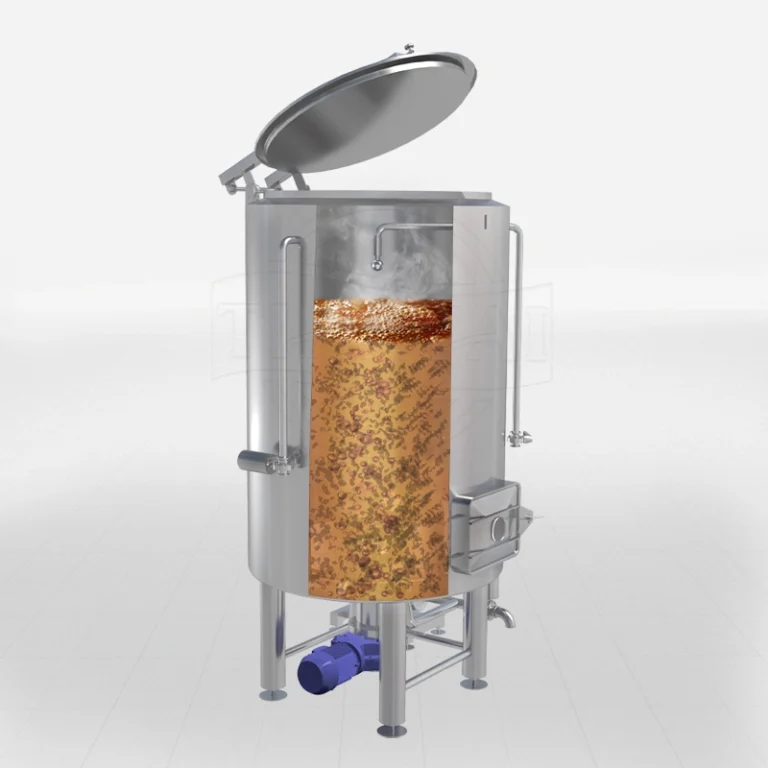
Step 1: Tea brewing

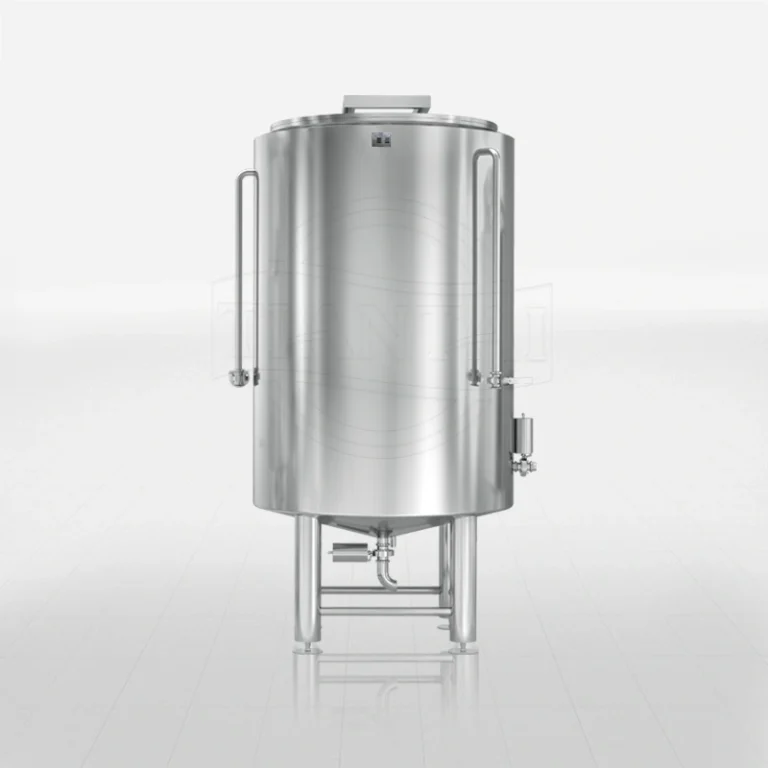
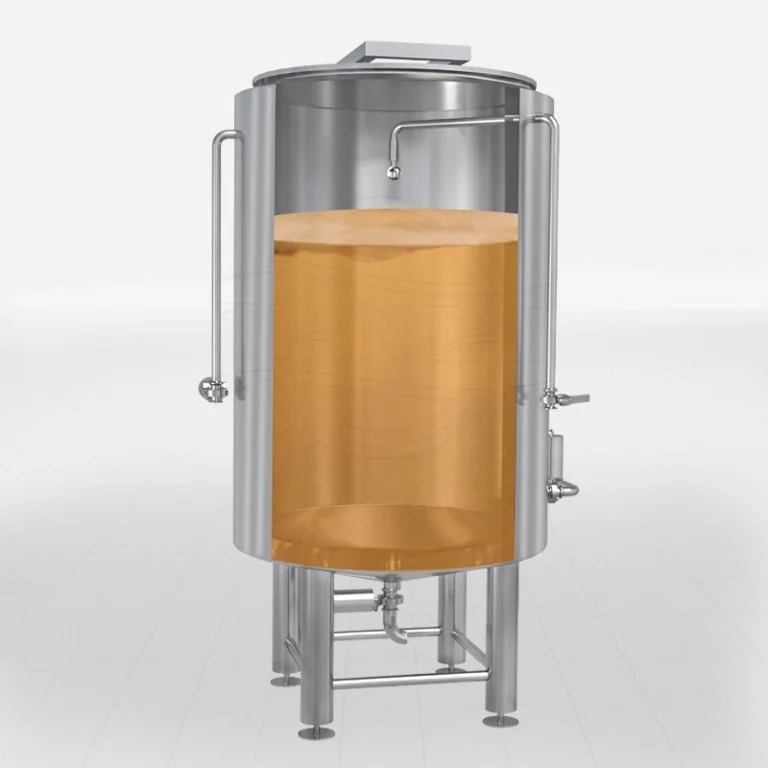
Tea is typically prepared in a tea brewing tank using raw materials such as tea leaves, sugar, and water. The choice of tea is a critical factor in determining the flavor profile of the kombucha. Black, green, white, oolong and blended teas are commonly used. Each tea variety offers different levels of tannins, antioxidants, and other compounds influencing taste and fermentation. Whole-leaf teas release tannins and other compounds more slowly than processed tea bags, which are processed with a high surface area to steep faster and release caffeine more quickly.

Tea diluting 1

Step 2: Tea diluting

Typically, freshly brewed tea is of higher concentration and temperature, which allows for mixing with brewing water at room temperature in a specific ratio. This not only cools the tea and facilitates subsequent fermentation, but also reduces the concentration and increases yield.

Primary fermentation stage

Step 3: Primary fermentation stage

The diluted tea is pumped to the first stage fermenter. Typically, the fermentation tank at first stage is an open, flat-top, atmospheric pressure fermentation tank, and the tank body is designed with a large diameter and a low height for easy operation. The recommended fermentation temperature at this stage is 22–28°C, the optimal range for the process, and lasts approximately seven days.

Secondary fermentation stage

Step 4: Secondary fermentation stage

Once the initial fermentation process is complete, the tea is transferred to second-stage fermenters. These tanks are typically closed pressure vessels that look very similar to beer fermenters. Usually, the juice or puree is mixed with tea during the second fermentation stage. The fermentation temperature at this stage is usually around 15°C, and lasts approximately seven days.

Filtration

Step 5: Filtration

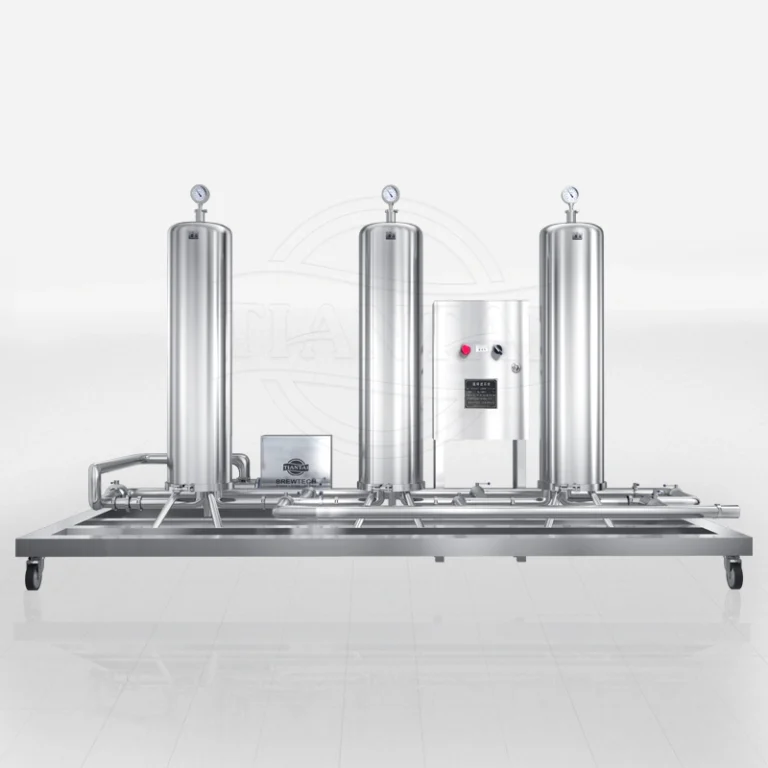
A final filtration process to remove particulate impurities from tea following the second stage of fermentation.
Common filter
- Kieselguhr filter
- 3 tiered fine membrane filter: 10 microns / 5 microns / 0.5 microns

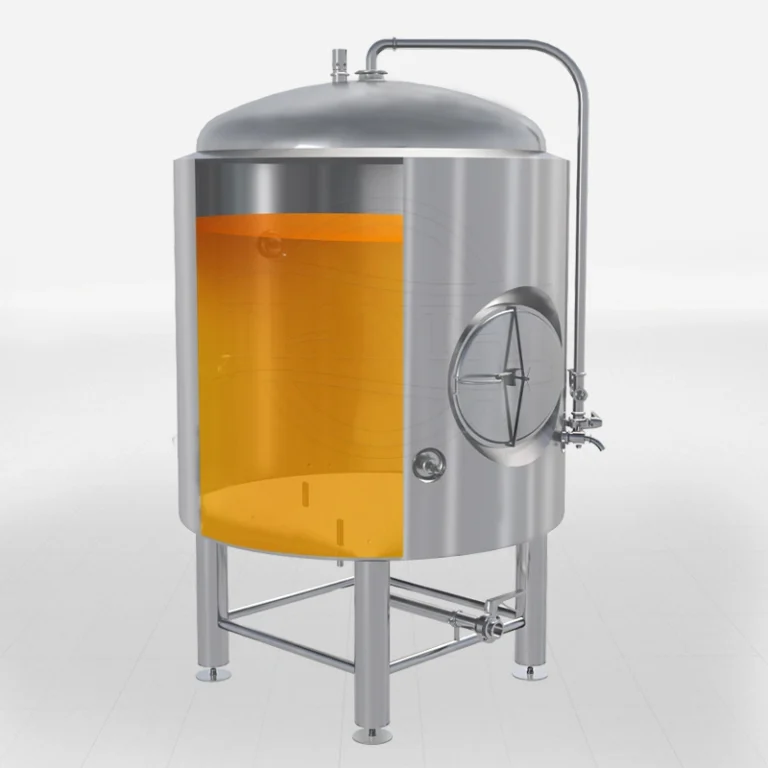
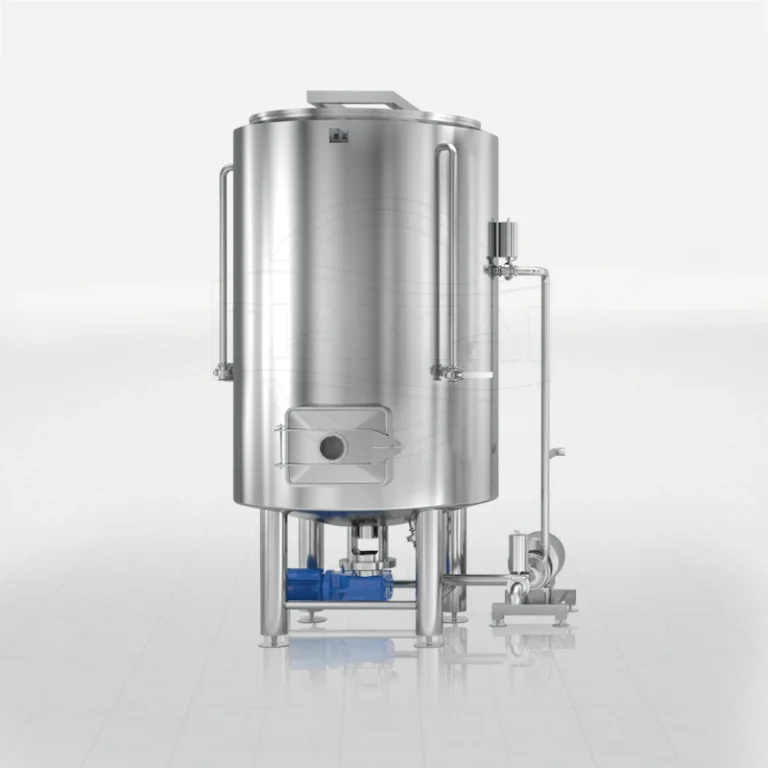
Brite tank 1

Step 6: Brite tank

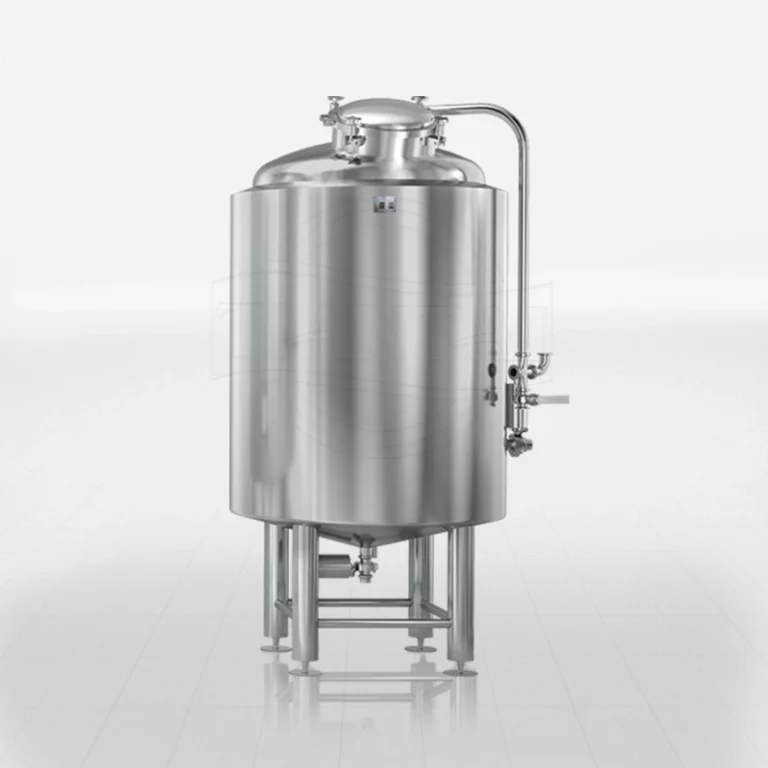
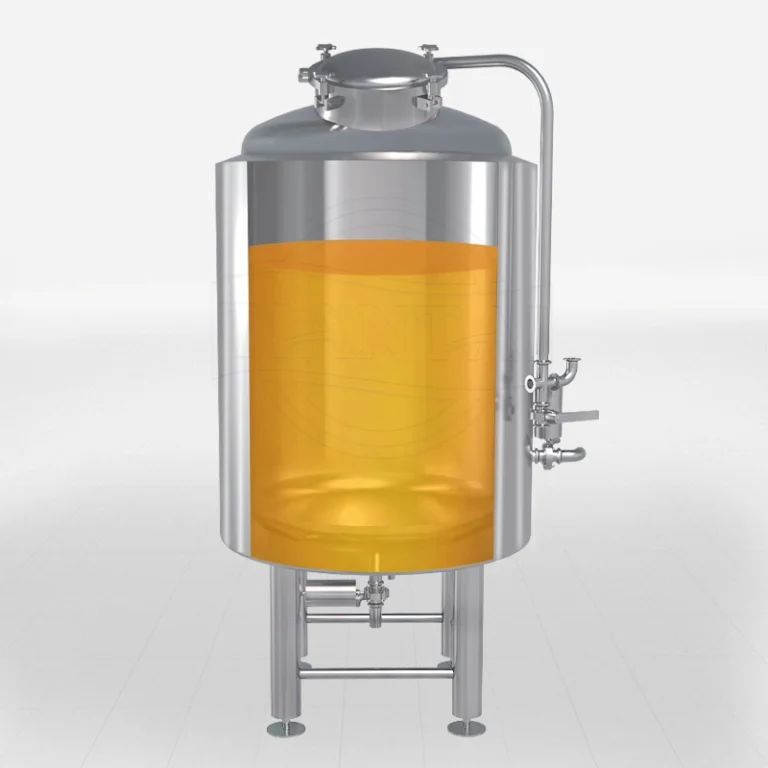
The brite tank is often utilized to mix flavorings, initiate secondary fermentation, and carbonate kombucha before packaging and distribution.

Filling

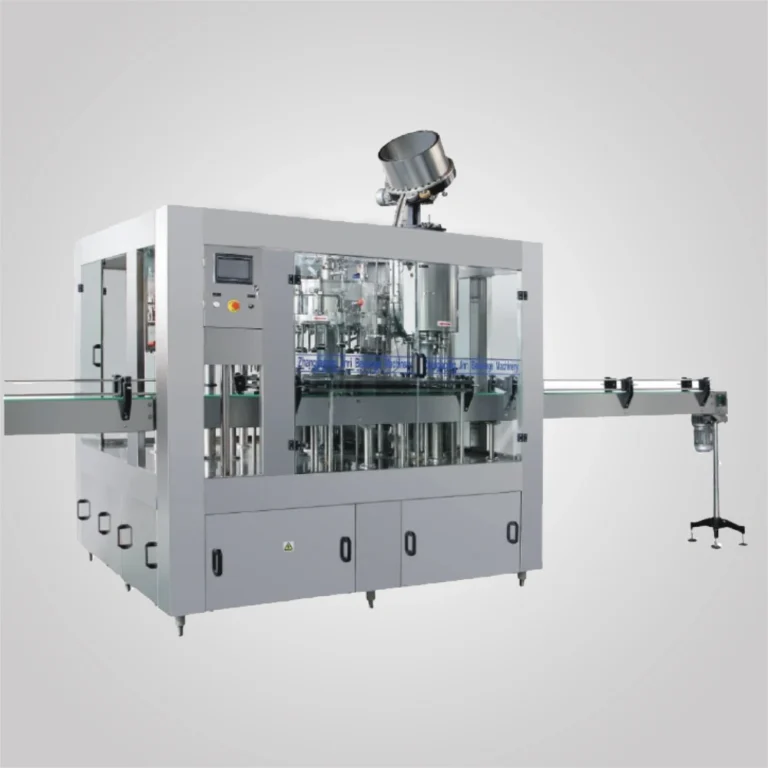
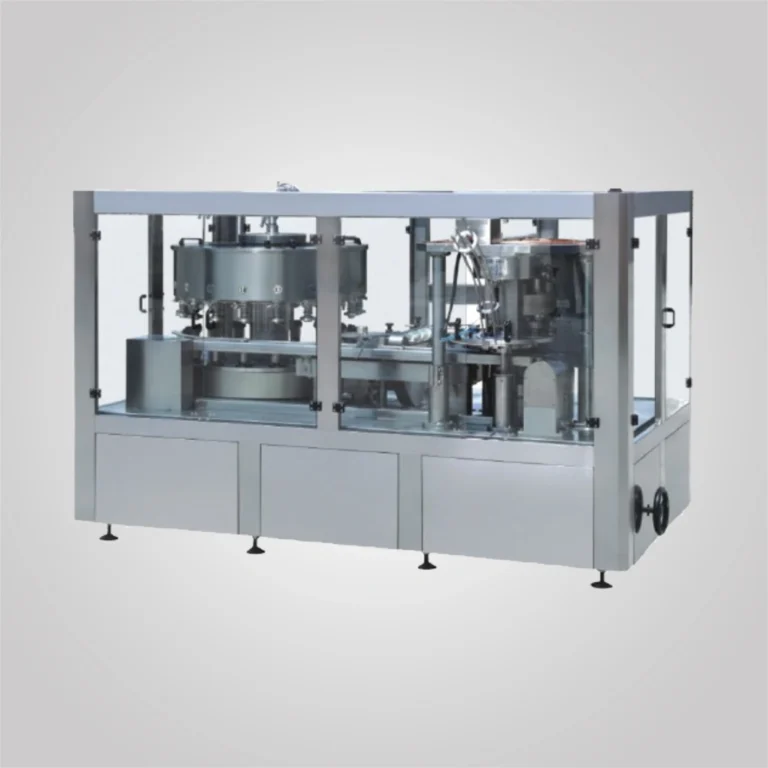
Step 7: Filling

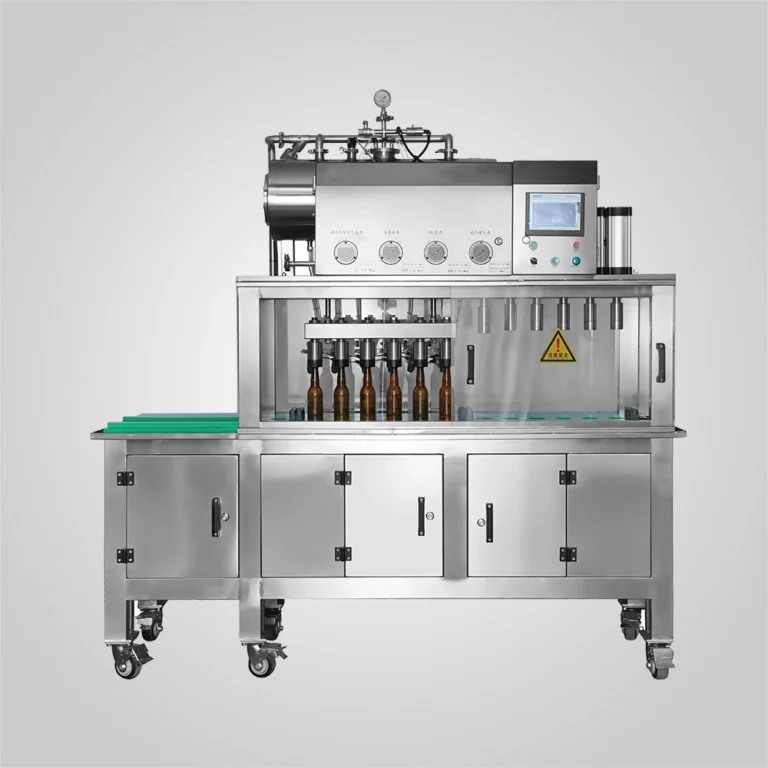
The kombucha filling process requires careful temperature control to slow down ongoing fermentation and prevent over-carbonation or potential bottle explosions. The filling machines are designed with sensors that monitor and adjust filling speed and pressure, allowing for adaptation depending on the fermentation stage and ensuring consistency in carbonation levels. Additionally, the machines are constructed from materials resistant to corrosion from kombucha's acidity and designed with minimal areas where residue could accumulate, promoting cleanliness and safety.
Ajoutez votre titre ici

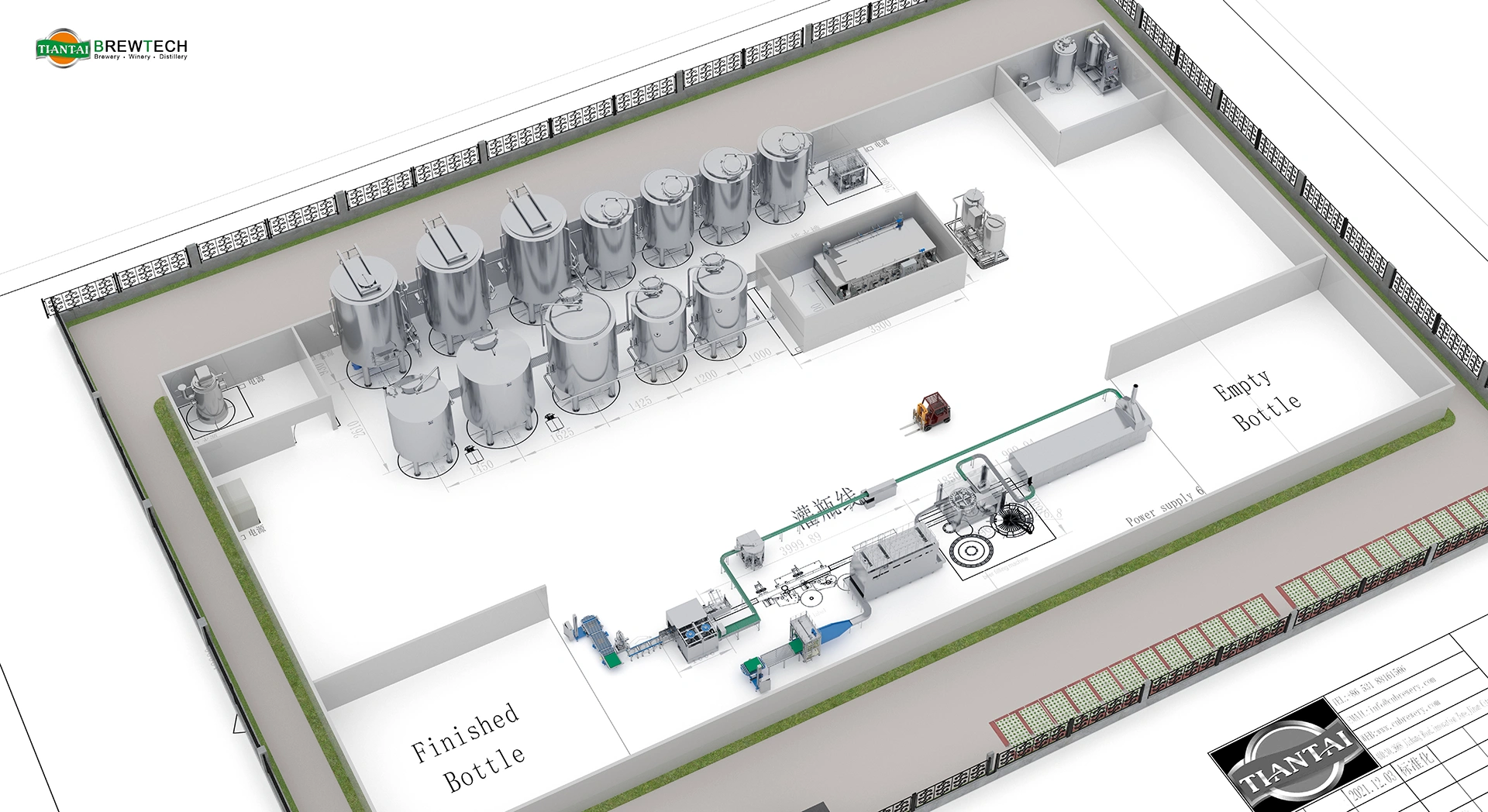
TIANTAI fournit tous les équipements nécessaires aux brasseries, du broyage des matières premières à l’embouteillage

01.

Tea Brewing Tank

Capacity: 200L to 5000L (+15% Headspace minimum)

Material: SUS 304

Function: Tea steeping, boiling, and sugar mixing

Heating option: electric (only for tank with less than 1000L capacity) / steam (dimple jacket on bottom and side wall)

100% TIG welding with pure argon gas shield

Tank top: opening flat head

Tank bottom: 150° cone

Agitator: manually with a paddle / electric stirrer with a motor and reducer (upward or downward stirring as required for tanks of different sizes)

Sieve plate: optional, utilized for the filtering of tea leaves and not required for tea bags

Tea bag filter: optional. When utilizing a semi-open flat-top brewing tank, you can add a teabag filter basket or to install a hook on the wall of the upper portion for hanging teabags.

Collection ring: at the bottom, for filtered tea

Floating ball level sensor for stopping heating with alarm

02.

Open Flat-top Fermenter

Capacity: 200L to 10000L (+25% Headspace minimum)

Material: SUS 304

Function: 1st stage kombucha fermentation with scoby

Tank top: Flat-top semi-open

Tank bottom: 150° cone

Pressure: atmospheric

100% TIG welding with pure argon gas shield

Insulation: 80mm PU

Jacket: dimple plate on bottom and side wall

Cooking Jacket can be used as hot water heating jacket to maintain Kombucha fermented at 22-28 C temperature

Top mounted double clamp 360° rotary CIP spraying ball and port

CO2 blow-off arm with butterfly valve (Removable)

Full sanitary sampling valve with EPDM seal

Sanitary welded thermowell for high accuracy temperature sensor

Sanitary level tube and valves

03.

Closed Pressurized Fermenter

Capacity: 200L to 10000L (+20% Headspace minimum)

Material: SUS 304

Function: 2nd stage kombucha fermentation and conditioning

Tank top: closed dished head

Tank bottom: conical / dished

Pressure: 2 bar

100% TIG welding with pure argon gas shield

Insulation: 80mm PU

Jacket: dimple plate on bottom and side wall

Cooking Jacket can be used as hot water heating jacket to maintain Kombucha fermented at 22-28 C temperature

Full sanitary sampling valve with EPDM seal

“Dry hopping” port: for pitching juice

Mechanical safe valve PVRV 3 bar on top

Carbonation port with CO2 dissolved stone 0.22um

Top mounted double clamp 360° rotary CIP spraying ball and port

Sanitary level tube and valves

04.

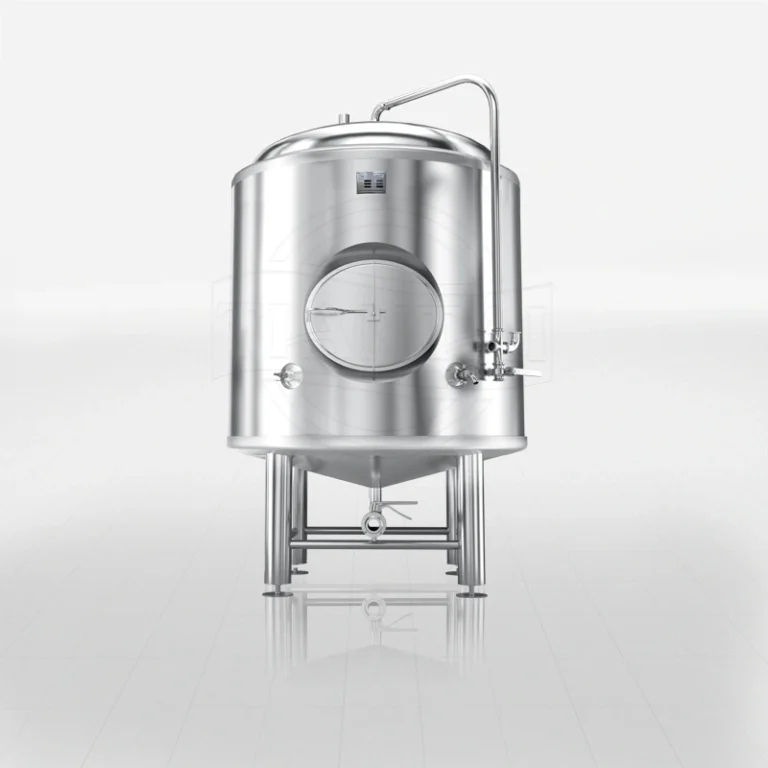
Brite Tank

Capacity: 200L to 10000L (+20% Headspace minimum)

Material: SUS 304

Function: Kombucha maturation / storage

Tank top: closed dished head

Tank bottom: conical / dished

Pressure: 2 bar

100% TIG welding with pure argon gas shield

Insulation: 80mm PU

Jacket: dimple plate on bottom and side wall

Cooking Jacket can be used as hot water heating jacket to maintain Kombucha fermented at 22-28 C temperature

Full sanitary sampling valve with EPDM seal

Mechanical safe valve PVRV 3 bar on top

Carbonation port with CO2 dissolved stone 0.22um

Top mounted double clamp 360° rotary CIP spraying ball and port

Sanitary level tube and valves

05.

Fine Membrane Filter

Function: Beer finer filtering

First stage filter (pre-filter): 10um

Secondary filter (pre-filter): 5um

Third filter (fine filter): 0.45um

Filter material: polysulfone

Number of filters: 5

Working pressure: 0.4Mpa

With pump and control cabinet

06.

Filling Machine

Packaging: glass bottles, PET bottles

Capping: plastic with screw thread, aluminum cap, crown cap

Rinsing system: Water or air

Drip tray catches liquid and funnels to a drain point

Options for CO2 pre-purge and single or double evacuation to clear the atmosphere from bottles before pressurizing for filling

Retour en haut